
Table of Contents
In modern architecture and interior design, the choice of flooring and wall finishes plays a critical role in defining the aesthetics, functionality, and durability of a space. Across Pakistan, architects, designers, and homeowners are increasingly turning to solutions like vinyl flooring, cladding, Resinous flooring systems, and Commercial resin flooring for both residential and commercial projects. These materials combine elegance, strength, and low maintenance, offering a perfect balance of style and practicality.
This comprehensive guide explores the features, applications, advantages, and installation considerations of these premium materials, providing a roadmap for anyone seeking to create a sophisticated, long-lasting interior or exterior environment.
Vinyl Flooring: Combining Style, Durability, and Versatility
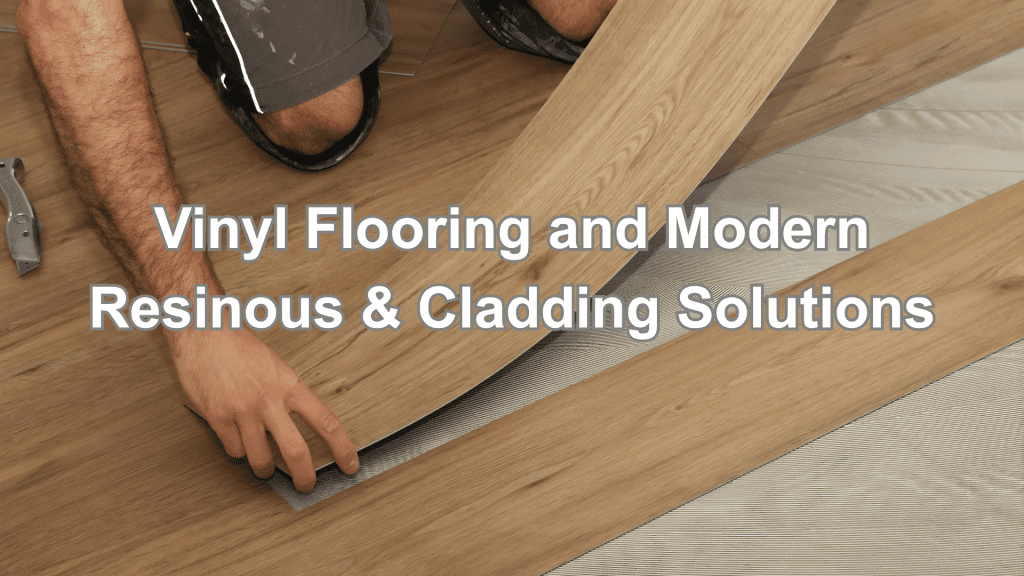
Vinyl flooring has emerged as a leading choice in modern interiors due to its remarkable combination of durability, aesthetic versatility, and ease of maintenance. Unlike traditional flooring materials, vinyl provides the luxurious appearance of natural wood, stone, or marble while delivering superior performance in high-traffic areas.
Durability and Strength
Vinyl floors are designed to withstand heavy use, including constant foot traffic, furniture movement, and minor impacts. The material’s resilience makes it ideal for spaces like living rooms, kitchens, offices, and commercial environments. Its capacity to resist scratches, dents, and stains ensures that vinyl flooring maintains its pristine appearance for years.
Design and Aesthetic Variety
One of the greatest advantages of vinyl flooring is the sheer range of design options. Vinyl is available in sheets, tiles, and planks, each capable of replicating natural textures and patterns. From rustic wood grains to polished stone effects, designers can achieve high-end looks without incurring the costs or maintenance challenges associated with real wood or stone.
Installation Advantages
Vinyl flooring is renowned for its ease of installation. Many products are designed for floating installations, click-lock systems, or self-adhesive applications, making them suitable for both renovation projects and new constructions. This speed of installation not only saves time but also reduces labor costs.
Water Resistance and Maintenance
One of the key reasons vinyl flooring is preferred in both homes and commercial spaces is its water resistance. Vinyl performs exceptionally well in kitchens, bathrooms, and areas prone to moisture. Additionally, its smooth surface is easy to clean and maintain, requiring only regular sweeping and occasional mopping to preserve its elegance.
Applications
- Residential homes: kitchens, bathrooms, living rooms, and bedrooms
- Offices and corporate spaces: conference rooms, reception areas, and workspaces
- Retail and hospitality: showrooms, boutiques, and hotel lobbies
- Healthcare environments: clinics and patient rooms where hygiene is crucial
Cladding: Adding Depth, Protection, and Architectural Appeal
Cladding has become a vital element in modern architecture, enhancing both the appearance and performance of walls and exteriors. It involves covering a structure’s surface with durable materials to protect against environmental conditions while creating a visually appealing design.
Benefits of Cladding
- Visual Enhancement
Cladding allows designers to introduce texture, color, and style to otherwise plain walls. Materials such as wood, stone, metal, or composite panels can be used to create striking interior feature walls or impressive exterior facades. - Thermal and Acoustic Insulation
Properly installed cladding can improve a building’s energy efficiency by minimizing heat transfer. Additionally, cladding helps reduce noise transmission, enhancing comfort in busy residential or commercial environments. - Durability and Protection
Cladding protects underlying walls from weather, moisture, and mechanical impact, extending the lifespan of both the surface and the building itself. - Design Flexibility
Modern cladding materials are versatile, lightweight, and available in numerous finishes, making them adaptable to both contemporary and traditional architectural styles.
Applications
- Residential exteriors and interior accent walls
- Commercial offices, retail outlets, and hotel lobbies
- Industrial facilities requiring wall protection
- Restaurants and entertainment spaces for aesthetic appeal
Resinous Flooring Systems: Seamless and High-Performance
Resinous flooring systems are widely used where durability, chemical resistance, and seamless finishes are essential. These systems are created by combining resins with hardeners, producing a continuous surface that adheres to concrete or other subfloors.
Advantages of Resinous Flooring
- Seamless Surface
The absence of joints prevents dirt accumulation, making resinous floors highly hygienic and easy to clean. - Chemical and Mechanical Resistance
Resinous flooring is ideal for laboratories, pharmaceutical facilities, and industrial environments due to its resistance to chemicals, abrasion, and impact. - Customizable Design
Available in a range of colors, textures, and finishes, resinous floors can be tailored to suit aesthetic preferences and functional requirements. - Durability
Resinous floors withstand heavy foot traffic and machinery, ensuring long-term performance in demanding environments. - Hygiene and Safety
Smooth, non-porous surfaces prevent bacterial growth, making them suitable for healthcare, food processing, and laboratory applications.
Types of Resinous Flooring Systems
- Epoxy flooring
- Polyurethane (PU) flooring
- Methyl methacrylate (MMA) flooring
- Self-leveling resin floors
Each type offers unique advantages in terms of chemical resistance, curing time, and application suitability, allowing architects and facility managers to select the best option for their specific project.
Commercial Resin Flooring: Durable Solutions for High-Traffic Environments
Commercial resin flooring is designed to withstand demanding conditions where performance, safety, and aesthetics are all critical. It is widely used in hospitals, commercial kitchens, offices, industrial facilities, and laboratories.
Key Advantages
- High Durability
Commercial resin floors handle heavy foot traffic, machinery, and daily wear with minimal deterioration. - Low Maintenance
The seamless surface makes cleaning and upkeep straightforward, which is particularly beneficial in high-traffic or hygiene-sensitive areas. - Hygienic and Safe
Slip-resistant finishes and easy-to-clean surfaces make commercial resin flooring a safe choice for healthcare, food, and public facilities. - Customizable Aesthetics
Available in various colors, textures, and finishes, commercial resin flooring can align with branding or interior design themes.
Applications
- Hospitals, clinics, and healthcare facilities
- Laboratories and pharmaceutical environments
- Industrial and manufacturing facilities
- Commercial kitchens and restaurants
- Office buildings and retail spaces
Comparing Flooring Options
| Feature | Vinyl Flooring | Resinous Flooring Systems | Commercial Resin Flooring |
| Durability | Medium-High | High | Very High |
| Water Resistance | Excellent | Excellent | Excellent |
| Maintenance | Low | Low | Low |
| Installation | Quick & Easy | Professional | Professional |
| Aesthetic Options | Wide Variety | Moderate | Customizable |
| Ideal Usage | Homes, Offices | Industrial, Labs | Hospitals, Factories, Commercial |
Pricing Overview
- Vinyl Flooring: Rs. 350–900 per sq ft depending on quality, design, and thickness
- Cladding: Rs. 800–2,500 per sq ft depending on material, finish, and installation
- Resinous Flooring Systems: Rs. 1,200–3,500 per sq ft based on resin type and application
- Commercial Resin Flooring: Rs. 1,500–4,000 per sq ft for heavy-duty high-traffic environments
Prices vary depending on material selection, customization, and professional installation.
Maintenance and Longevity
Proper care ensures that vinyl flooring, cladding, resinous flooring systems, and commercial resin flooring maintain their appearance and performance over the long term. Key maintenance strategies include:
- Regular Cleaning: Sweep or mop with mild solutions to remove dirt and dust.
- Avoid Abrasives: Use soft cloths or microfiber mops.
- Humidity Control: Maintain indoor moisture levels to prevent warping of vinyl or resin floors.
- Polishing: Resin floors may require occasional buffing or polish to maintain their shine.
- Professional Inspection: Regular checks in high-traffic areas ensure safety and durability.
Applications Across Residential, Commercial, and Industrial Spaces
- Residential Homes: Vinyl flooring for kitchens and bathrooms; cladding for feature walls; resinous floors in garages or hobby areas.
- Offices: Commercial resin flooring for hallways and workspaces; cladding for soundproofing and aesthetic enhancement.
- Industrial Facilities: Resinous flooring systems for chemical, mechanical, and hygiene resistance; cladding for structural protection.
- Healthcare and Hospitality: Commercial resin flooring for hygienic and durable surfaces; vinyl flooring for patient rooms and lounges.
By carefully selecting materials based on the type of space and traffic, designers can create environments that balance functionality with elegance.
Expert Solutions by AH Interior Decor
For those seeking premium flooring and cladding solutions, AH Interior Decor delivers unmatched expertise in vinyl flooring, cladding, Resinous flooring systems, and Commercial resin flooring. Their team combines innovative design, high-quality materials, and skilled craftsmanship to provide spaces that are visually striking, highly functional, and durable.
Whether it is a residential renovation, a corporate office, a healthcare facility, or an industrial space, AH Interior Decor ensures every project achieves long-lasting elegance, practical performance, and timeless aesthetic appeal.
Frequently Asked Questions
What is vinyl flooring and why is it popular?
Vinyl flooring is a durable, water-resistant floor material that mimics wood or stone. It is popular for its versatility, low maintenance, and stylish designs.
How does cladding enhance interiors and exteriors?
Cladding adds aesthetic appeal, protects walls from damage, provides insulation, and improves durability in residential, commercial, and industrial spaces.
What are resinous flooring systems?
Resinous flooring systems are seamless, chemically resistant floors made by combining resins and hardeners, ideal for industrial, commercial, and healthcare environments.
Where is commercial resin flooring used?
Commercial resin flooring is applied in hospitals, offices, warehouses, restaurants, laboratories, and high-traffic areas due to its durability, hygiene, and custom design options.
How do vinyl flooring and resinous flooring systems differ?
Vinyl flooring is easier to install, more affordable, and offers varied aesthetics, while resinous flooring provides higher durability, chemical resistance, and a seamless surface for heavy-duty applications.
How long do these flooring solutions last?
With proper installation and maintenance, vinyl, cladding, and resinous floors can last 15–25 years, making them a cost-effective long-term solution.